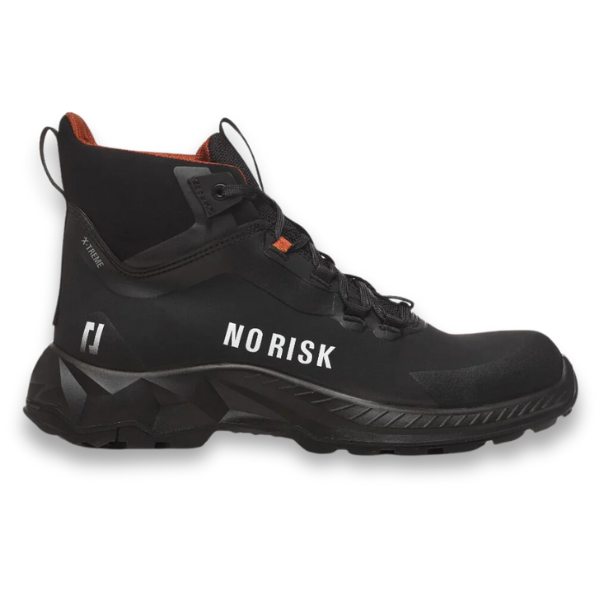
The S1, S2, S3 Guide: Decoding Safety Footwear Standards for Your Site
When purchasing safety footwear for your crew or stocking your retail shelf, you’re not just buying a pair of safety boots or safety trainers—you’re investing in your team's health, productivity, and your business's compliance. But the labels can be confusing. What do those letters and numbers really mean?
At Safety First Ireland, we've been the trusted name in safety for 40 years. We understand that finding the right gear, from brands like Dunlop, Steel Blue, and No Risk, requires clarity.
Here is your straightforward guide to understanding the essential S1, S2, and S3 safety footwear standards.
Introduction to Safety Footwear Standards

All professional safety footwear sold in Ireland and the EU must meet the requirements of the EN ISO 20345 standard. This standard ensures the gear meets minimum safety criteria. The S-ratings (S1, S2, S3) indicate the level of protection, moving from basic hazard defense up to advanced water resistance and penetration protection.
Understanding S1: Basic Protection Features

The S1 rating is the foundation of safety footwear. It's suitable for workplaces that involve dry conditions and little risk of sharp objects on the ground, but where impact or compression hazards exist.
Key Requirements for S1 Footwear:
- 200 Joule Toe Protection: A safety toe (steel, composite, or alloy) designed to withstand a 200-joule impact. This is mandatory for all S-rated footwear.
- Closed Heel Area: Full protection around the heel.
- Antistatic Properties (A): Reduces the buildup of static electricity.
- Energy Absorption in the Heel Area (E): Essential for reducing fatigue and protecting joints during continuous standing or walking.
Exploring S2: Water Resistance Explained

S2 footwear includes all the features of S1, with one critical addition: protection from water penetration.
Key Requirements for S2 Footwear:
- All S1 Features (Toe protection, closed heel, antistatic, heel energy absorption).
- Water Resistance (WRU or WR): The footwear's upper material is treated to resist water penetration and absorption for a specified period.
- S2 boots are ideal for indoor environments where cleaning or spills are common, or for outdoor work that involves only light, intermittent rain. They offer a great balance of protection and lighter weight.
S3 Standards: Advanced Safety Specifications

The S3 rating is the most comprehensive and is generally required for heavy-duty outdoor work, especially in construction, manufacturing, and farming. S3 boots include all the features of S2, plus protection against penetration from below.
Key Requirements for S3 Footwear:
- All S2 Features (including water resistance).
- Penetration Resistance (P): Incorporates a midsole plate (steel or composite) to protect the wearer from puncture hazards like nails, screws, or shattered glass.
- Cleated Outsole: The sole must have a structured grip for maximum traction on rough or slippery terrain.
If your worksite involves outdoor elements, wet environments, or potential sharp debris, S3 is the standard you need.
Key Differences Between S1, S2, and S3
|
Feature |
S1 |
S2 |
S3 |
|
Toe Protection (200J) |
Yes |
Yes |
Yes |
|
Antistatic & Heel Energy |
Yes |
Yes |
Yes |
|
Water Resistant Upper (WRU) |
No |
Yes |
Yes |
|
Penetration Resistance (P) |
No |
No |
Yes |
|
Cleated Outsole |
No |
No |
Yes |
Choosing the Right Footwear for Your Site
The decision starts with a thorough risk assessment of your job site:
- Dry, Indoor Warehouses: S1 is often sufficient.
- Wet, Spillage-Prone Areas (Kitchens, Laboratories): S2 is necessary.
- Construction Sites, Farms, Outdoor Industrial Work: S3 is highly recommended for maximum protection against water and punctures.
Remember, the goal is to provide reliability and compliance without compromising on worker comfort.
Importance of Proper Fit and Comfort
Even the highest-rated boot is useless if it's left in the locker. Comfort and fit are crucial for compliance. That’s why we partner with brands like ECCO and Steel Blue that focus on ergonomic design.
A good fit helps:
- Reduce Fatigue: Proper support means less strain over an eight-hour shift.
- Prevent Injuries: Ill-fitting boots can lead to blisters, trips, and long-term joint issues.
- Ensure Compliance: Comfortable gear is gear that your team will actually wear.
Maintenance Tips for Safety Footwear
Extend the lifespan of your investment:
- Clean Regularly: Wipe off mud and dust, especially around the sole and stitching.
- Dry Naturally: If boots get wet (even S3), allow them to dry naturally at room temperature, away from direct heat sources.
- Condition Leather: Use appropriate conditioning products to keep the leather supple and maintain water resistance.
Making Informed Footwear Choices
At Safety First Ireland, we are committed to making your procurement process clear, professional, and convenient. Our 40 years of experience means we provide honest, transparent advice to help you select the exact gear needed to meet regulations and keep your employees safe.
Have questions about S-ratings or need to place a bulk order for your site?
Contact us today or visit our Limerick City store to speak with an expert!
Most Recent
Best Work Boots Ireland: Top Picks for Safety, Comfort & Durability
Read more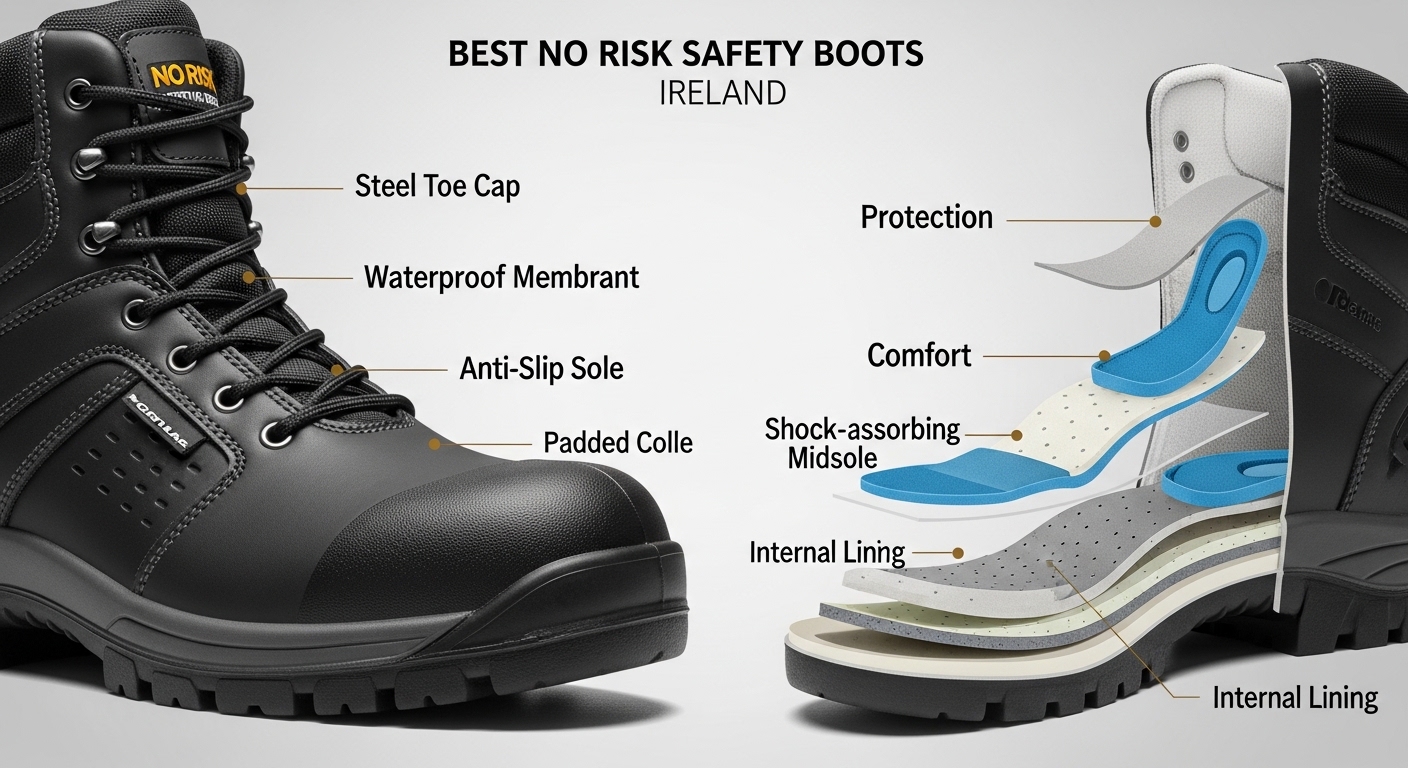
Best No Risk Safety Boots Ireland: Features, Protection & Comfort Explained
Read more
Need Waterproof Work Boots in Ireland for Your Team? Here’s What to Know
Read more
Why Choose Dunlop Rubber Rigger Boots for Industrial & Site Work?
Read more