Safety Shoes Ireland: Common Mistakes to Avoid When Buying
Buying safety shoes should be simple. But many people make small mistakes that lead to discomfort, poor protection, or wasted money. In Ireland, work conditions are often wet, cold, and demanding. That makes choosing the right footwear even more important.This guide explains the common mistakes people make when buying safety shoes in Ireland and how to avoid them. It is written in simple English, with practical advice you can actually use. The aim is to help workers and businesses choose better footwear that lasts longer and keeps people safe.
Why choosing the right safety shoes matters
Safety shoes protect your feet from injury. They reduce slips, crushing injuries, punctures, and fatigue. Poor footwear can cause pain, slow work, and even long-term health issues.
In industries like construction, warehousing, farming, and manufacturing, safety shoes are part of daily safety workwear Ireland standards. They are not optional. Choosing the wrong pair can increase risk instead of reducing it.
At Safety First Ireland, we see many customers who previously bought the wrong shoes. Most mistakes are avoidable.
Mistake 1: Not understanding safety ratings
One of the biggest mistakes is ignoring safety ratings.
In Ireland and across Europe, safety shoes follow EN ISO standards. These tell you how much protection the shoe provides.
Common ratings include:
S1 / S1P – Basic protection, anti-static, energy-absorbing heel
S2 – S1 plus water resistance
S3 – S2 plus penetration-resistant midsole and strong outsole
Many people buy shoes that look tough but do not meet the right standard.
How to avoid this mistake:
Always check the safety rating. For construction and outdoor work, S3 safety shoes are often the safest choice.
Mistake 2: Choosing style over protection
Some buyers focus too much on how the shoe looks. A slim or trainer-style shoe may look good but may not offer enough protection.
While modern safety shoes can look smart, protection should come first.
Work boots Ireland are designed to handle heavy loads, uneven ground, and long hours. Safety shoes that focus only on appearance may lack grip, toe protection, or durability.
How to avoid this mistake:
Choose shoes based on job risk first. Style is secondary.
Mistake 3: Buying the wrong size
This is more common than people admit.
Feet swell during the day. Many people try safety shoes in the morning or rush the fitting process. Tight shoes cause blisters and pain. Loose shoes reduce stability and increase slip risk.
How to avoid this mistake:
Try shoes with work socks
Leave space at the toe
Walk and bend while trying them
Never assume all brands fit the same
At Safety First Ireland, we always recommend proper fitting before purchase.
Mistake 4: Ignoring waterproof needs in Ireland
Ireland has wet weather. Yet many workers still buy non-waterproof safety shoes.
Wet feet cause discomfort, cold, and skin problems. Over time, moisture also damages shoes.
How to avoid this mistake:
If you work outdoors, on sites, or in damp conditions, choose water-resistant or waterproof safety shoes. For very wet or muddy environments, safety wellingtons like Dunlop Purofort may be better.
Mistake 5: Forgetting about slip resistance
Slips are one of the most common workplace accidents.
Many safety shoes offer toe protection but poor grip. Smooth soles on wet floors or oily surfaces are dangerous.
How to avoid this mistake:
Look for shoes with SRC slip resistance rating. This is especially important in warehouses, kitchens, factories, and construction sites.
Good grip is a key part of proper safety workwear Ireland standards.
Mistake 6: Not thinking about comfort for long shifts
Safety shoes are worn for many hours. Comfort matters.
People often assume pain is normal. It is not.
Poor cushioning and support can cause foot pain, knee strain, and back issues.
How to avoid this mistake:
Choose safety shoes with:
Cushioned insoles
Good arch support
Shock absorption
Lightweight materials
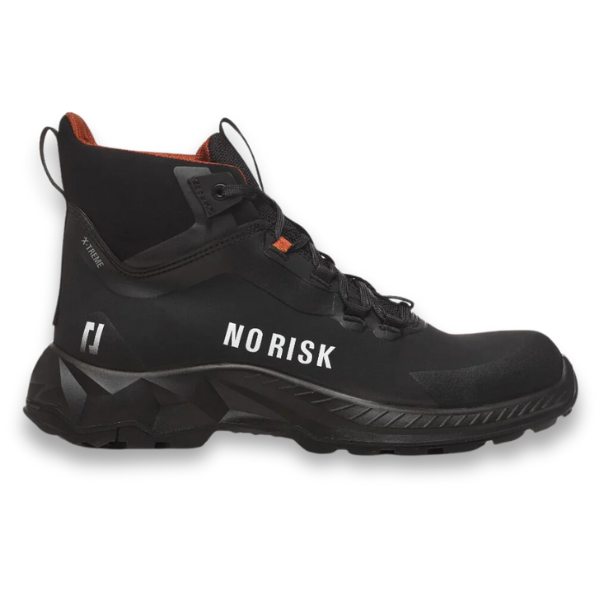
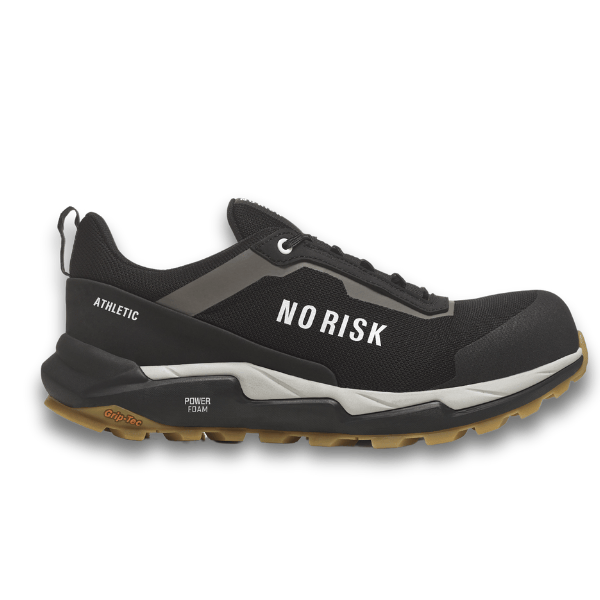
Brands like Steel Blue, Rock Fall, and No Risk offer safety shoes designed for long workdays.
Mistake 7: Choosing cheap shoes to save money
Cheap safety shoes may look like a good deal. But they often wear out faster and offer less protection.
Replacing shoes often costs more over time. Poor-quality footwear can also increase injury risk.
How to avoid this mistake:
Focus on value, not just price. Well-made safety shoes Ireland options last longer and perform better.
Think of safety shoes as an investment in health and productivity.
Mistake 8: Not matching shoes to the job type
Different jobs need different footwear.
A warehouse worker does not need the same shoes as a farmer or electrician.
Common job-based needs include:
Penetration resistance for construction
Anti-static properties for electrical work
Chemical resistance for industrial settings
Insulation for cold environments
How to avoid this mistake:
Match footwear features to actual job risks. If unsure, ask a specialist supplier like Safety First Ireland.
Mistake 9: Ignoring breathability
Waterproof shoes are useful, but poor breathability can cause sweating and discomfort.
Sweaty feet increase the risk of blisters and fungal issues.
How to avoid this mistake:
Look for safety shoes with breathable linings or moisture control features. Balance waterproofing and airflow.
Mistake 10: Not maintaining safety shoes properly
Even the best shoes fail if not cared for.
Mud, chemicals, and moisture shorten shoe life. Many people never clean or check their footwear.
How to avoid this mistake:
Clean shoes after use
Let them dry naturally
Replace worn insoles
Check soles and stitching
Proper care extends the life of work boots Ireland and safety shoes.
Common brands trusted in Ireland
Many workers and companies in Ireland trust these brands:
Steel Blue – Comfort-focused safety footwear
Rock Fall – Durable and reliable
Dunlop – Safety wellingtons and wet-weather footwear
No Risk – Practical and cost-effective
SF Grippers – Slip-resistant designs
At Safety First Ireland, we supply a wide range of certified safety footwear from trusted manufacturers.
Buying safety shoes for staff (employers)
Employers also make mistakes when buying in bulk.
Common issues include:
One-size-fits-all models
Ignoring fit differences
Choosing the cheapest option
Better approach:
Set minimum safety standards (like S3)
Offer size trials
Replace worn shoes regularly
Work with an experienced Irish supplier
This improves safety and reduces complaints.
People Also Ask (FAQ)
What are the best safety shoes in Ireland?
The best safety shoes depend on the job. For construction, S3-rated shoes are common. For wet work, waterproof options are better.
Are safety shoes and work boots the same?
Safety shoes are often lighter and lower cut. Work boots Ireland usually offer ankle support and suit rough terrain. Both are part of safety footwear.
How often should safety shoes be replaced?
With daily use, most safety shoes last 6–12 months. Replace sooner if soles wear out or protection weakens.
Are steel toe shoes better than composite?
Both meet safety standards. Steel is strong and affordable. Composite is lighter and non-metal.
Final thoughts
Buying safety shoes in Ireland does not need to be confusing. Most mistakes come from rushing the decision or focusing on the wrong things.
Always:
Check safety ratings
Choose the right fit
Match shoes to the job
Consider comfort and durability
Buy from a trusted supplier
At Safety First Ireland, we help customers choose the right safety shoes Ireland workers can rely on. From construction sites to warehouses and farms, the right footwear makes work safer and more comfortable.
Take your time. Choose well. Your feet carry you through every workday.
Most Recent
Best Work Boots Ireland: Top Picks for Safety, Comfort & Durability
Read more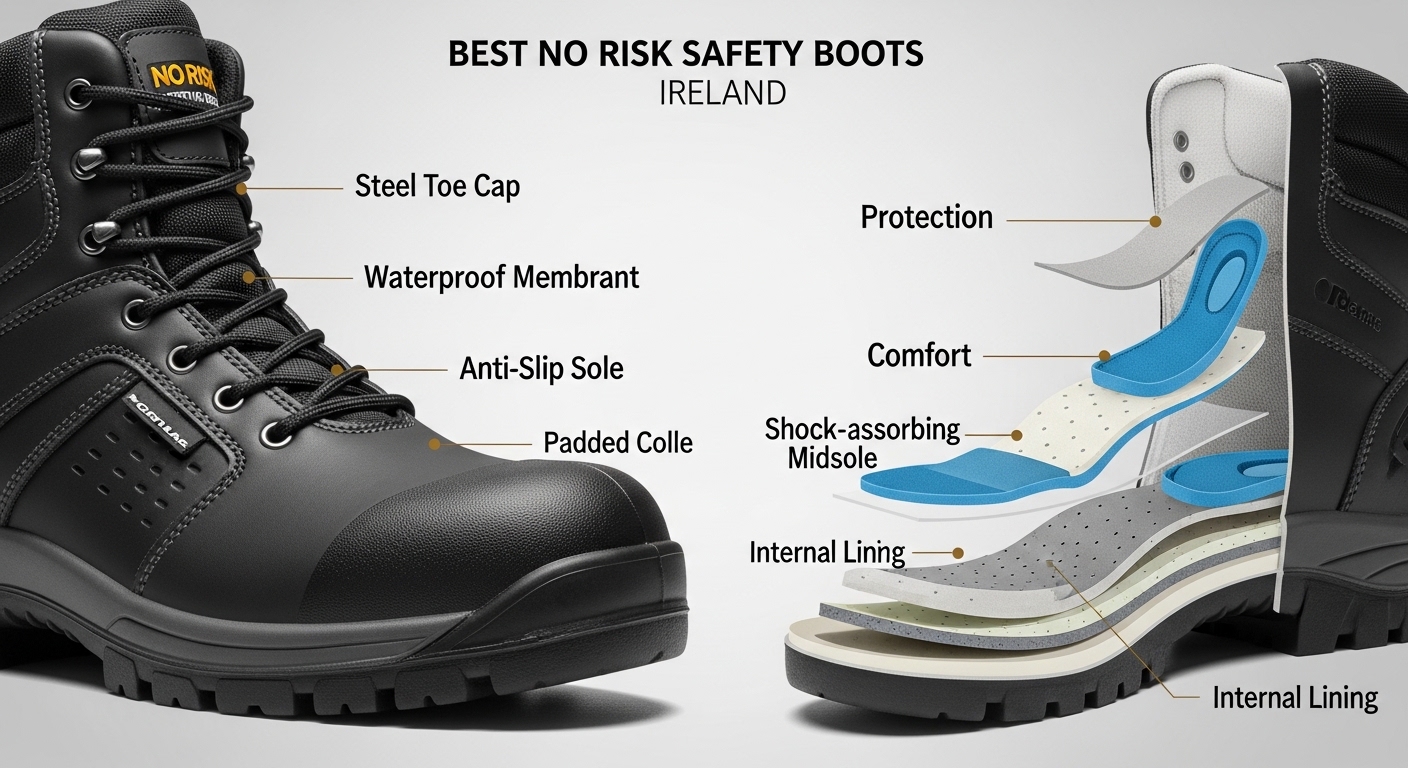
Best No Risk Safety Boots Ireland: Features, Protection & Comfort Explained
Read more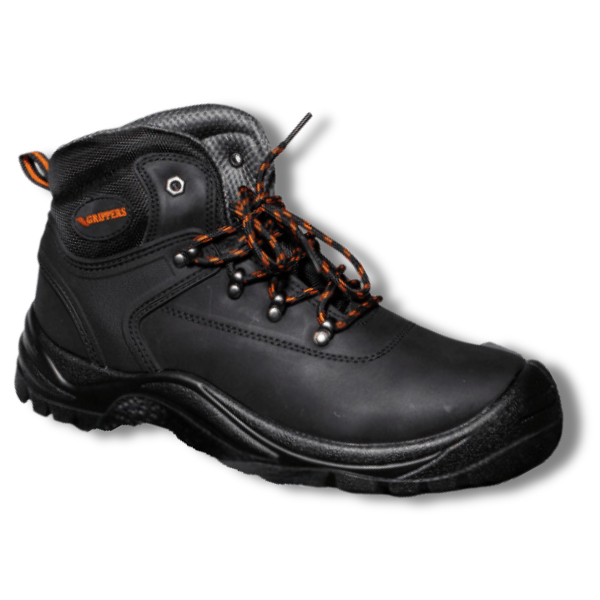
Need Waterproof Work Boots in Ireland for Your Team? Here’s What to Know
Read more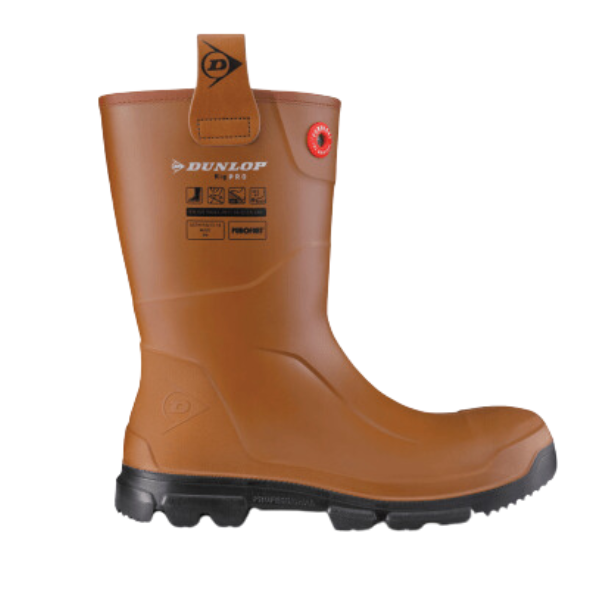
Why Choose Dunlop Rubber Rigger Boots for Industrial & Site Work?
Read more